How the house color visualizer works
Three steps, about a minute. You bring one photo of your house; we hand it back repainted in the colors you picked, with everything else left alone.
- Snap your house from the streetOne daylight photo of the whole front. A phone is plenty.
- Pick real paint colorsSiding, trim, front door, roof or brick, from real fan-deck colors with their codes.
- Slide to compare, then decideSame house, same windows, new paint. Compare looks, copy the codes, buy samples.
How to take a good photo
- Stand across the street, far enough back to fit the whole front and the roof.
- Shoot straight on, or close to it. Steep angles hide walls.
- Use daylight. Bright overcast is best: no hard shadows across the walls.
- Hold the phone level so the walls stay vertical.
- Move cars and bins that block the garage or the front door.
- Use the normal 1x lens. Wide-angle lenses bend the edges of the house.
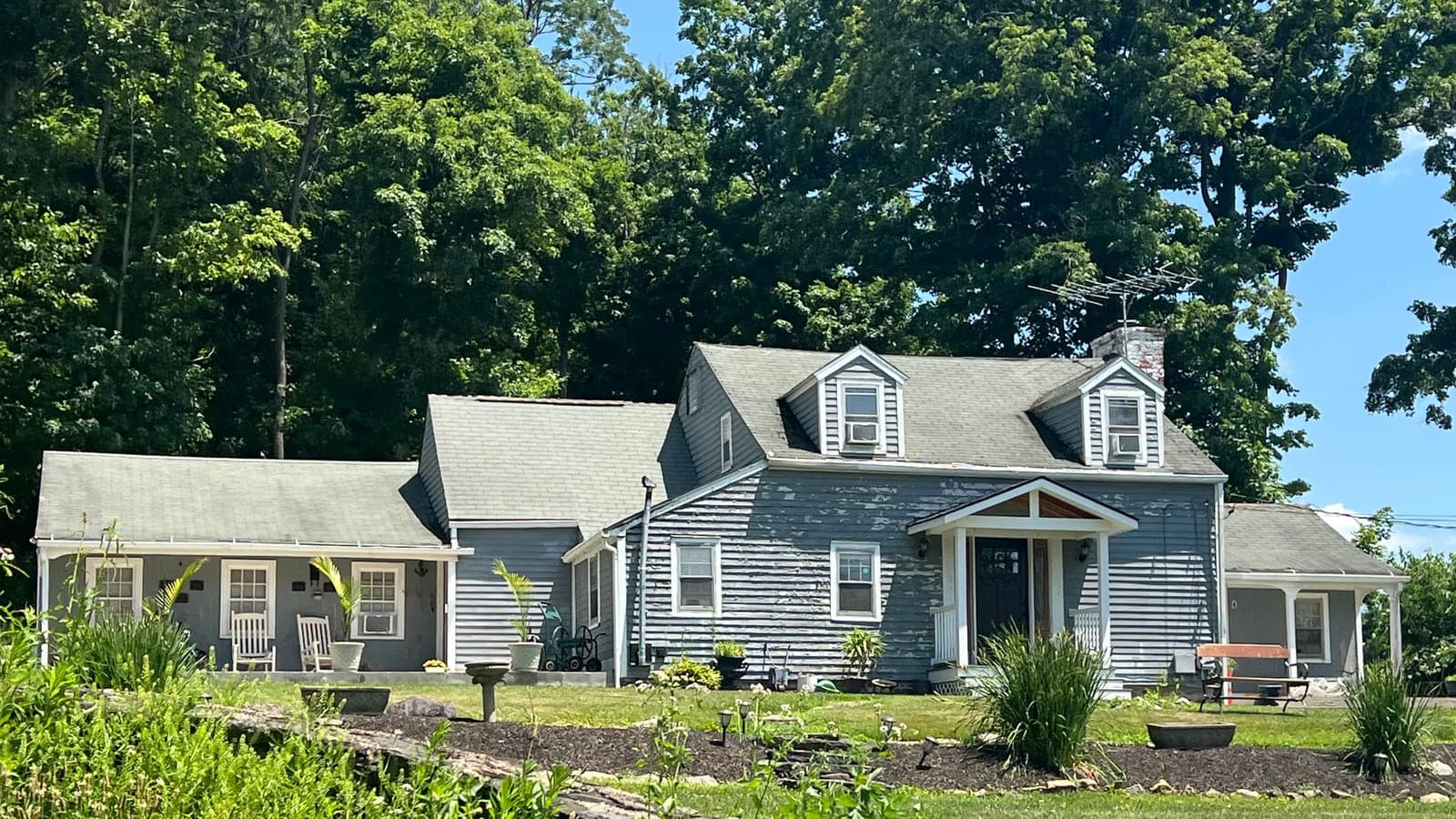
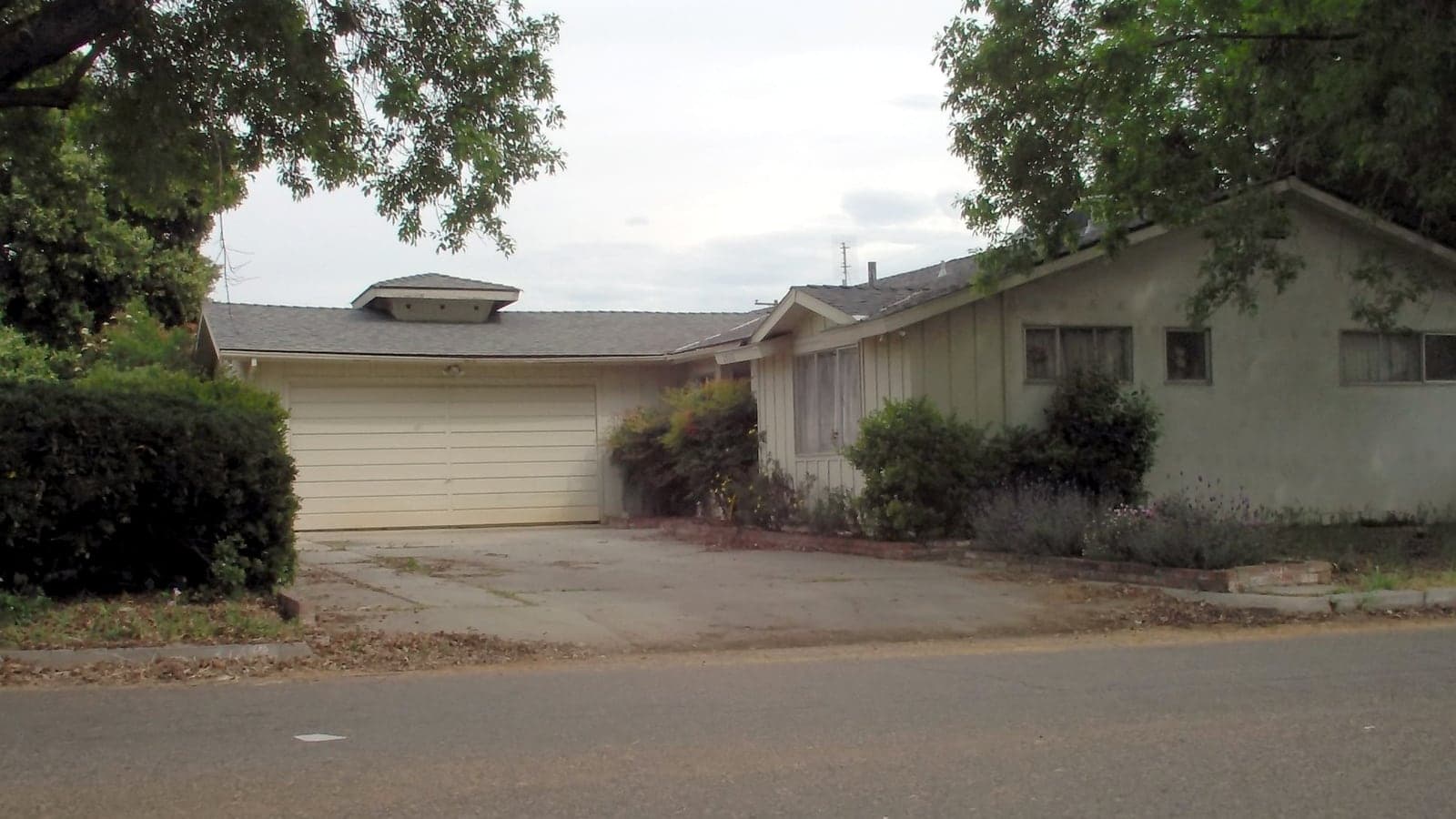
What the visualizer will and won't change
Changes
- The surfaces you picked: siding, trim, front door, shutters, roof or brick
- Their color, in a satin exterior paint finish lit like your photo
Stays exactly the same
- The camera angle, framing and crop
- The shape, roofline and proportions of the house
- Every window, door, garage door, column, railing and vent
- Trees, lawn, driveway, cars, sky and neighbors
- The materials: lap siding stays lap siding, shingles stay shingles, brick keeps its texture
It does not remodel. No new windows, porches, shutters that aren't there, lights or landscaping. If a render changes more than paint, you get a free retry.
Why colors on screen are approximate
A paint color is not one fixed thing. The same can of paint looks different in morning and evening light, on the sunny and shady sides of the house, and in a flat versus a satin sheen. Screens add their own differences: brightness, color settings and night modes all shift what you see.
The visualizer is very good at the question it is built for: which of these colors works on my house. It is not a substitute for a sample. Once you have a short list, buy sample quarts, paint large boards and look at them against the house at different times of day before you order paint.